Data Centers Are Moving Into More Neighborhoods. Her's What It Means If You're Buying or Selling
Data Centers Are Moving Into More Neighborhoods. Here's What It Means If You're Buying or Selling
If you've noticed more talk about data centers popping up near residential areas, you're not imagining it. According to a recent Realtor.com report by Tristan Navera, the number of large data centers (50 megawatts or bigger) has grown sevenfold since 2018, and the U.S. now hosts more than 350 of them. That growth is starting to show up in home sale data too.
Here's what the numbers actually say, and what I'd want you to know before buying or listing near one.
The scale of this is bigger than most people realize
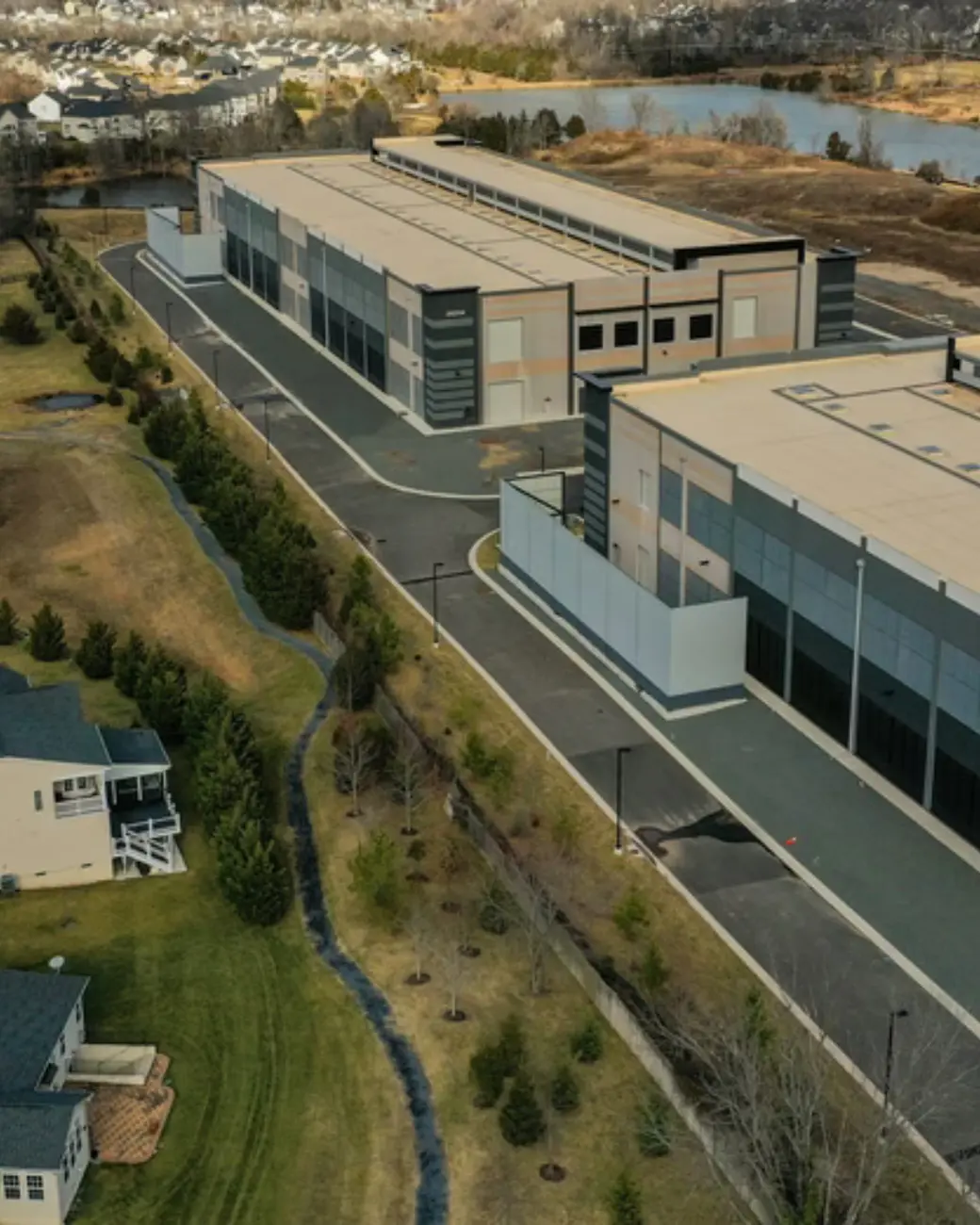
Homes sold near a large data center now make up 1.5 percent of all home sales, double what it was before. By the end of this year, that share is expected to hit almost 2 percent. That's not because more homes are selling near existing centers; it's because there are simply more centers everywhere. In 2015, big data centers operated in 21 states and drew about 9,600 megawatts combined. Today they're in 26 states drawing 43,000 megawatts, and over 200 more are under construction right now.
They're landing farther out, in less dense areas
The typical large data center that opened in 2017 sat about 23 miles from the nearest city center. Ones opening this year average 27 miles out, and ones planned for next year are projected at 34 miles. Housing density around these sites has dropped too, from about 116 housing units per square mile in 2017 to just 32 today. Median income in the ZIP codes hosting new centers has shifted as well: it was 25 percent above the national median back in 2023; this year it's expected to land just below the national median, and it's projected to keep declining next year.
So what happens to home values?
This is the question I get asked most, and the honest answer is that it's still early. Realtor.com's research team compared 43 ZIP codes, some with new data centers and some without, and found no statistically significant difference in home price trends so far. But there are real caveats. They could only track price data for the two years right after a center opens, which is still inside the window where construction jobs are boosting the local economy. Longer-term effects like electricity costs and noise haven't had time to show up in the numbers. Texas, one of the biggest data center states in the country, doesn't publicly disclose home sale prices, so it wasn't even part of the study.
Other effects worth knowing about
Property tax rates in these communities tend to be lower already, before a center ever breaks ground, then ease slightly after it opens before climbing again later. There's also a labor angle that doesn't get talked about enough: data center construction is pulling skilled tradespeople, especially electricians, away from residential building. Brian Kassalen, an attorney who leads Baker Tilly's construction practice, put it plainly: "Hyperscale projects are absorbing labor in an already short labor pool," which can mean higher costs on new home builds in the surrounding area.
What this means for you
None of this means a data center automatically tanks or boosts a home's value. What it does mean is that if there's a large facility planned or already operating near a property you're considering, it's worth asking real questions: how is it zoned, what's the water and power situation locally, and what's the property tax trend actually looked like since it opened? These are answerable questions; they just take a little digging.
If you're weighing a home near a data center, whether buying or selling, let's talk through what's actually going on with that specific property and area before you make a move.
Categories
Recent Posts