What If My Home Doesn't Sell? Proven Strategies to Avoid Sitting on the Market
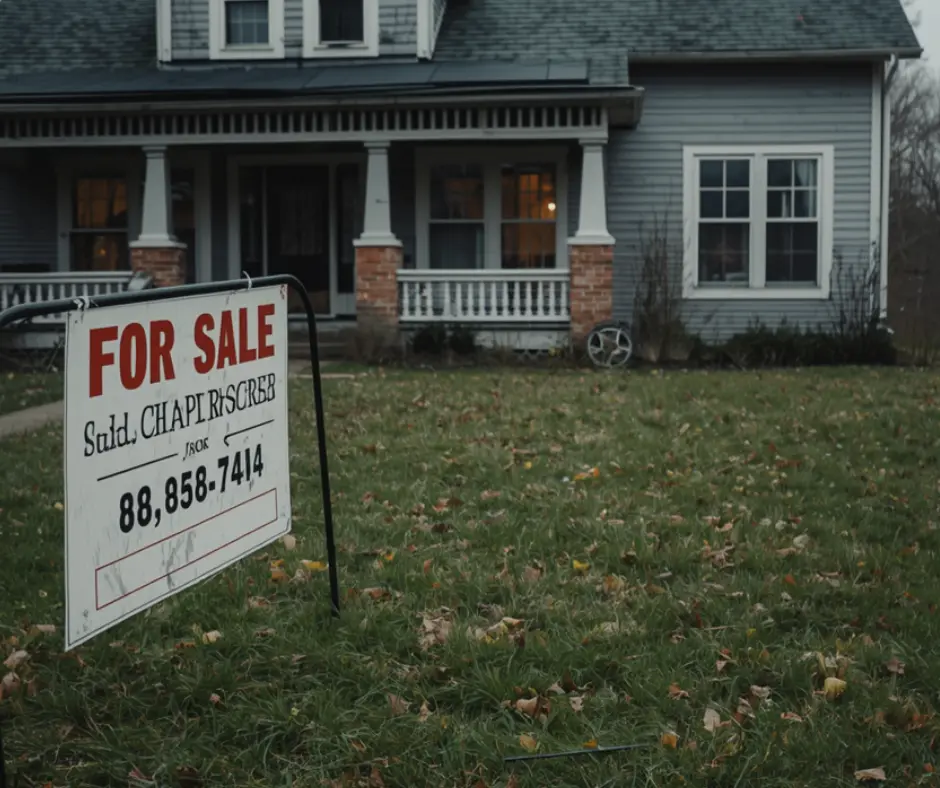
What If My Home Doesn’t Sell? Proven Strategies to Avoid Sitting on the Market
Quick answer: Homes that do not sell usually suffer from issues with pricing, presentation, or strategy. The right adjustments can quickly turn things around and attract serious buyers.
The Fear Every Seller Has
One question sits in the back of almost every seller’s mind.
“What if my home doesn’t sell?”
It is a valid concern.
No one wants their home sitting on the market with little interest.
Because when that happens, it often leads to price reductions, frustration, and missed opportunities.
The good news is this.
There is always a reason a home is not selling.
And there is always a way to fix it.
Why Homes Sit on the Market
When a home does not sell, it usually comes down to a few key factors.
- Pricing that does not match the market
- Lack of strong initial interest
- Poor positioning compared to other homes
- Market conditions that require a different strategy
Most of the time, it is not the home itself.
It is how the home is being presented to buyers.
Strategy 1. Price It Right From the Start
Pricing is the most important factor in how quickly a home sells.
If a home is priced too high, buyers often skip it entirely.
Even small pricing differences can reduce showings.
A strong pricing strategy should:
- Be based on recent local sales
- Reflect current demand in Wylie
- Position the home competitively
Pricing correctly from the start creates momentum.
Strategy 2. Create Strong First Impressions
The first few days on the market are critical.
This is when your home gets the most attention.
If it does not stand out right away, interest drops quickly.
Strong presentation includes:
- Highlighting the home’s best features
- Creating a clean, inviting feel
- Positioning the home clearly against the competition
Buyers make decisions quickly. First impressions matter.
Strategy 3. Generate Early Momentum
Homes that sell quickly usually have one thing in common.
Early activity.
This means:
- Showings within the first few days
- Strong initial interest
- Potential for multiple offers
Without this momentum, homes tend to sit on the market longer.
Strategy 4. Understand Buyer Behavior
Today’s buyers are informed and selective.
They compare homes carefully before making decisions.
If your home does not stand out in value or presentation, they move on.
Understanding what buyers are looking for helps you adjust your strategy.
Strategy 5. Adjust Quickly When Needed
If a home is not getting attention, waiting too long to adjust can make things worse.
Buyers start to notice when a home sits on the market.
This can lead to lower offers later.
Making timely adjustments helps keep your home competitive.
The Reality Most Sellers Do Not Hear
Here is the truth that many people avoid.
If a home is not selling, the market is giving feedback.
It may not always be what you want to hear, but it is valuable.
Listening to that feedback and adjusting strategy is what leads to results.
How Jaime Cantu Helps Sellers Avoid This Situation
Jaime focuses on preventing homes from sitting on the market in the first place.
His approach includes:
- Accurate pricing based on real local data
- Positioning the home to stand out immediately
- Creating early momentum with strong interest
- Adjusting strategy based on real-time feedback
This proactive approach helps sellers stay ahead of the market.
Frequently Asked Questions
What should I do if my home is not selling?
Review pricing, presentation, and market strategy. Small adjustments can make a big difference.
How long should a home sit before making changes?
If there is little activity in the first few weeks, it is important to reassess quickly.
Is lowering the price always the answer?
Not always. Sometimes repositioning or improving presentation can increase interest without a price change.
Why do some homes sell quickly while others do not?
It usually comes down to pricing, demand, and how the home is positioned in the market.
Final Thoughts
If your home is not selling, it is not a dead end. It is a signal.
With the right strategy, most homes can be repositioned to attract the right buyers.
The key is understanding what needs to change and acting on it quickly.
If you are thinking about selling or your home has not sold yet, reach out today, and let's build a strategy that gets results.
Categories
Recent Posts