Holiday Guests Are Changing What Americans Want in a Home

Holiday Guests Are Changing What Americans Want in a Home
That spare room is usually an office, a gym, or just storage, until the holidays hit and someone ends up on an air mattress next to the desk. According to a new Zillow survey conducted by The Harris Poll, more Americans are starting to treat that yearly scramble as an actual reason to rethink their housing.
How many people are actually rethinking their space
About 16% of Americans say they've considered buying a home with more bedrooms specifically to host holiday guests, and 17% have considered converting unused space into a guest room instead. The timing makes sense. AAA projects that 81.5 million Americans will travel at least 50 miles from home this Thanksgiving, landing on households that average just 2.5 people, according to the Census Bureau. A lot of homes are being asked to hold more people than they were built for.
Where guests actually end up sleeping
Among people who hosted overnight guests over the holidays, 44% put someone on the couch, 35% used an air mattress or cot, and 16% gave up their own bed entirely. It's not a small concern for buyers either. In Zillow's 2026 Consumer Housing Trends Report, 62% of buyers called a spare or guest bedroom very or extremely important, a share that's held between 59% and 68% every year the question has been asked since 2018.
"Nobody buys a house for four days of company," but it still matters
Amanda Pendleton, Zillow's home trends expert, put it plainly: "Nobody buys a house for four days of company." Buyers rarely purchase a home purely for a few days of hosting, but when someone is already deciding between a three-bedroom and a four-bedroom, the memory of last year's air mattress tends to tip the decision. Zillow chief economist Mischa Fisher adds the practical side of that math. For a household hosting just a couple nights a year, a daybed in the office costs far less than what an extra bedroom adds to a monthly mortgage. A move tends to make sense mainly when the family was already considering one for other reasons.
The cheaper fix is often a flex space, not a bigger house
That gap between the 17% who'd convert a room and the 16% who'd buy a bigger one matters, because converting is so much cheaper than moving. Zillow's 2027 Home Trends Report shows mentions of flex spaces, rooms that work as an office one month and a bedroom the next, up 35% in for-sale listings. Home offices are up 42%, and multigenerational living is up 58%. And for most families, that flexibility is all they need. In the same survey, 34% said two nights is the ideal length for an out-of-town visit, the most common answer by far. A guest suite that sits empty 363 days a year is a hard sell against a flex room that earns its keep.
If you're selling, label the room for what it could be
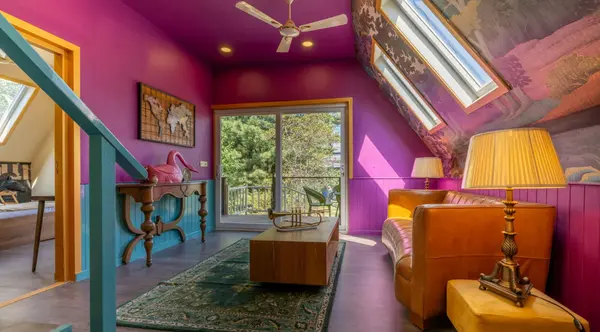
Sneha Olivera, a senior product manager at Zillow, makes a good point for anyone listing a home right now: "A room labeled 'office' on a listing doesn't tell you much if you're hosting for the holidays." A den marked "office" on a floor plan reads as an office, even if a queen bed would fit there easily. Buyers want to know if a bedroom sits near a bathroom and whether a guest bed actually fits, and showing that clearly, through floor plans, photos, or a 3D walkthrough, can be the difference between a buyer picturing holidays in your home or scrolling past it. If you're getting ready to list, or trying to figure out whether your current home could actually work with a little rethinking, reach out and let's talk it through.
Categories
Recent Posts