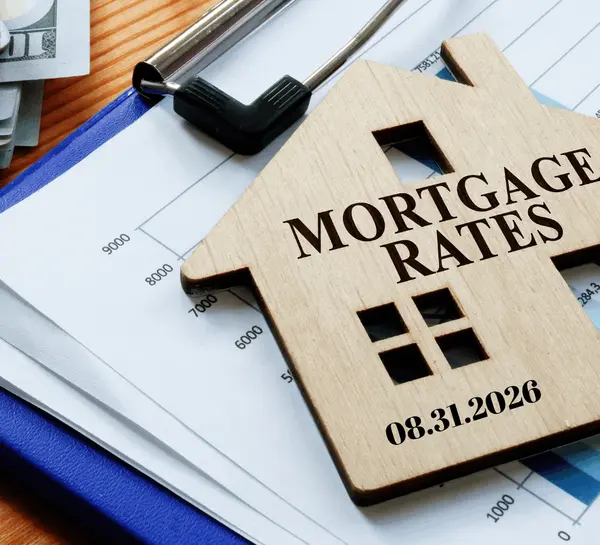
The $21,000 Gap Keerping Renters Renting (and What It Means for You)
The $21,000 Gap Keeping Renters Renting (and What It Means for You)
Rent just rose at its fastest pace in over a year. If your first guess is "too many renters chasing too few apartments," you're only half right. The bigger story is happening next door, in the for-sale market, and it's worth understanding if you've been sitting on the fence about buying.
According to new data from Zillow, the typical U.S. asking rent hit $1,962 in July, up 2.4% from a year earlier. That's a step up from June's 2.2% pace. The reason isn't really about rentals at all. It's about who's stuck renting instead of buying.
The math behind the gap
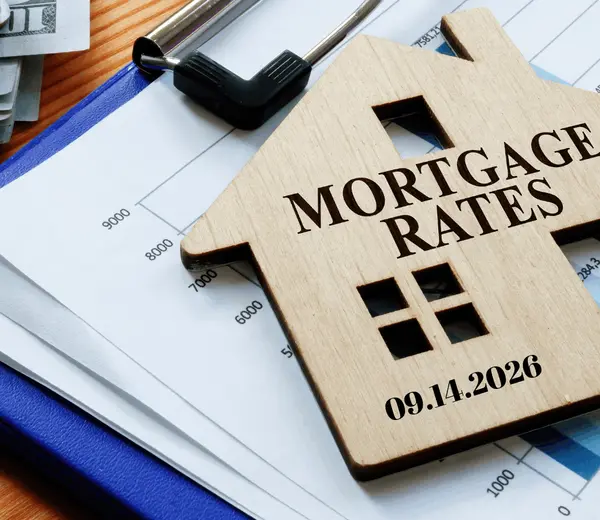
Comfortably affording the typical U.S. rental costs about $78,488 a year. Affording a typical home purchase costs nearly $99,800 a year. That's a gap of more than $21,000, and with mortgage rates still holding above 6.5%, it's not closing anytime soon.
"The rental market and the sales market are connected, and right now the sales market is the laggard," said Mischa Fisher, Zillow's chief economist. "When buying a home costs $21,000 more a year in income than renting one, would-be buyers stay put. That keeps the rental market full."
Renters still have some leverage, for now
A recent building boom left landlords competing for tenants, and that competition shows up as concessions. Nearly 2 in 5 listings on Zillow, 39.8%, came with an incentive in July, up from 35.9% a year ago. Charlotte, Denver and Dallas lead the pack, with 65 to 68% of listings offering deals, and rents have actually dipped in San Antonio, Austin and Denver over the past year.
Don't expect that to last. Apartment building permits in the second quarter came in 31% below their 2022 peak, per U.S. Census Bureau data. Fewer new units means less competition for landlords to worry about, and less reason to offer a free month or waived fees.
What this actually means for you
If you're renting because buying feels out of reach, you're not imagining it. A $21,000 annual gap is real money. But that gap is a snapshot of today's rates and prices, not a permanent condition. Loan programs, down payment assistance, and even the timing of when you buy relative to rate movement can shift that math more than people expect.
If you're comfortable where you are and want to keep building toward a future purchase, it's worth asking your landlord what's on the table before you renew. And if you've been assuming buying is simply out of reach, it's worth running your actual numbers instead of going with the national average.
I help buyers figure out what they can actually afford right now, not just what a headline gap suggests. If you want to know where you stand, reach out and let's run the numbers together.
Categories
Recent Posts