Thinking About Building a Tiny Home? Here's What Actually Trips People Up
Thinking About Building a Tiny Home? Here's What Actually Trips People Up
Tiny homes get sold as the easy, affordable answer to the housing crunch. Smaller footprint, smaller price tag. But a recent Realtor.com article by writer Brooke Morton makes a point worth passing along. Morton spent 10 days at a hands-on tiny house workshop run by Wild Abundance in North Carolina, and what she found is that the building part usually isn't what stops people. The land is.
Here's what stood out from her experience, and why it matters if you're weighing a tiny home of your own.
The building skills are more learnable than you'd think
Morton found that framing a wall comes down to a handful of repeatable skills: measuring, leveling, cutting, and driving nails or screws. She started the workshop nervous to even pick up a circular saw. By the end, she wanted an excuse to use one again. Confidence came from doing it over and over, not from watching YouTube tutorials.
Small living forces smart design
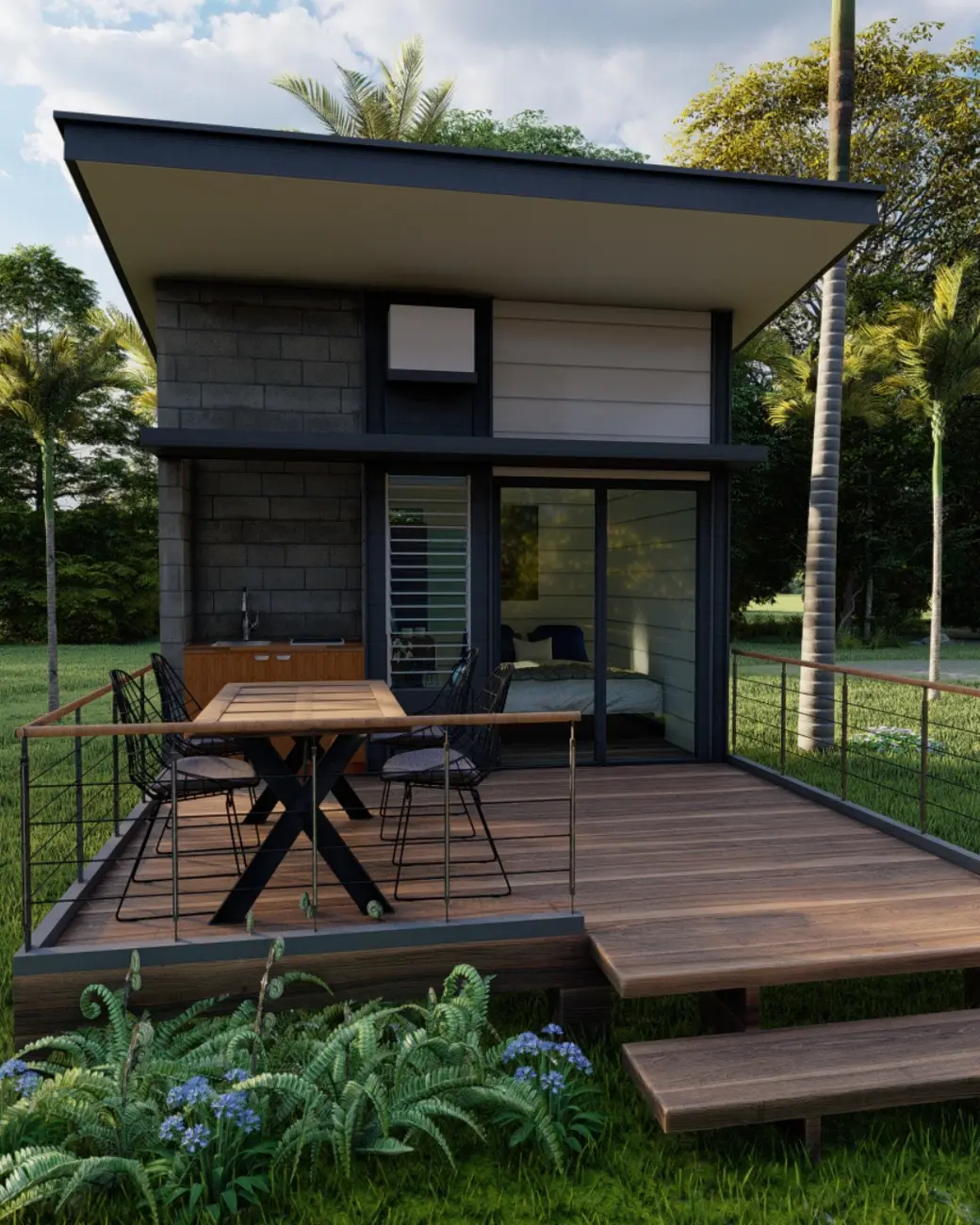
Tiny homes run 200 to 400 square feet, sometimes for a couple, sometimes for a family of four. That means every inch has a job. Lofted beds. Benches that double as storage. Toe-kick drawers under the cabinets. It's a good reminder that square footage and livability aren't the same thing. A well-laid-out smaller home can beat a poorly planned larger one.
The real obstacle is finding somewhere to put it
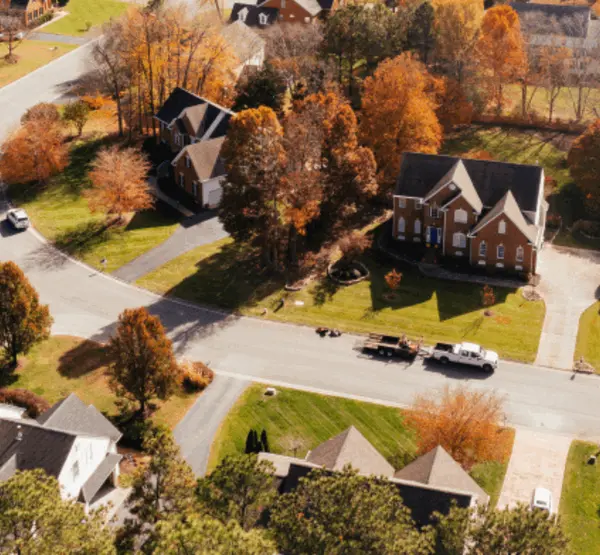
This is the part that matters most if you're actually considering this route. Per the article, most counties, cities, and HOAs set minimum build requirements, often 1,000 to 1,500 square feet, specifically to protect surrounding property values. That rules out a lot of land before anyone cuts a single board.
Rules also change depending on whether the structure is a Tiny House on Wheels or a permanent build, which affects what permits and inspections apply. The article names Texas, Arkansas, New Mexico, Missouri, and West Virginia as states with more unrestricted, lower-cost land available. Even so, zoning is set at the county level, so what's allowed on one road can be different a mile away.
Why this matters before you buy land
This is where a lot of tiny home plans stall. Someone finds a beautiful, affordable lot, and only after closing do they find out the zoning won't allow a structure under a certain square footage, or that a wheeled tiny home gets classified as an RV instead of a dwelling for permitting purposes.
If a tiny home, or any non-traditional build, is on your radar, the zoning and land-use research needs to happen before you fall for a parcel, not after. That holds whether you plan to build it yourself over a few weekends or hire it out.
My take
Building small doesn't mean the process is small. The construction skills are genuinely learnable in a matter of days. Zoning and permitting are where people get stuck, and that part rarely makes it into the daydream. If you're exploring tiny home living or just want to know what's actually buildable on a piece of land before you make an offer, that's exactly the kind of homework worth doing with someone who knows the local rules.
Thinking about a tiny home or an unconventional build in our area? Reach out and let's talk through what's actually possible on the land you're eyeing.
Categories
Recent Posts