Am I Listing Too High? 7 Pricing Mistakes Costing Wylie Home Sellers Thousands

Am I Listing Too High? 7 Pricing Mistakes That Can Cost Wylie Home Sellers Thousands
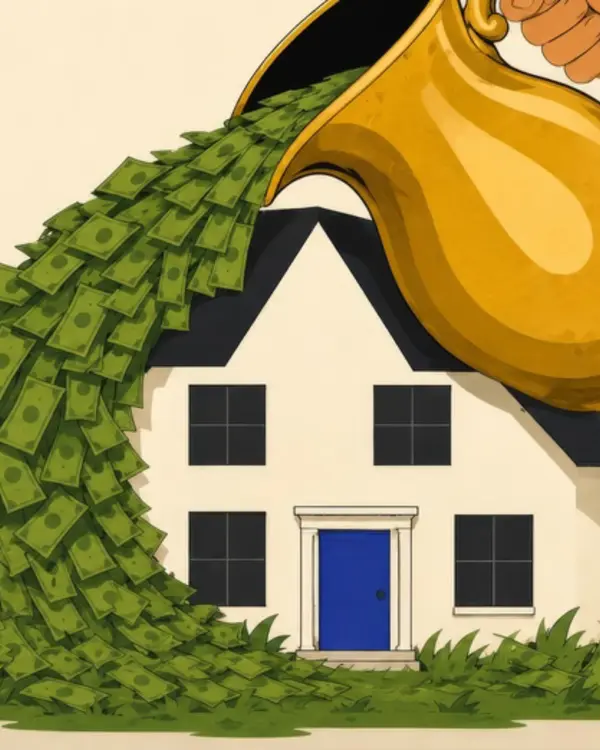
When you sell your home, the highest asking price does not always produce the highest profit. In many cases, overpricing reduces buyer interest, extends the selling process, and weakens your negotiating position.
Should You List High and Leave Room to Negotiate?
It is one of the most common questions Wylie homeowners ask before selling: "Should I list a little higher so I have room to negotiate?"
The idea sounds reasonable. You want to protect your equity, avoid leaving money on the table, and give yourself some flexibility when an offer arrives.
The problem is that buyers do not always respond to an inflated price by making a lower offer. Many simply move on to another property.
Key answer: Listing too high can shrink your buyer pool before negotiations even begin. A well-supported price often attracts more interest and gives the seller more leverage.
Your home is not being evaluated in isolation. Buyers searching in Wylie may also compare properties in Murphy, Sachse, Lavon, Rowlett, Plano and nearby communities. They are deciding where their money will buy the most value.
If your home appears expensive compared with similar options, buyers may never schedule a showing. You cannot negotiate with buyers who never walk through the door.
Why Your First Weeks on the Market Matter
A new listing usually attracts its greatest wave of attention shortly after it appears online. Buyers who have saved searches may receive immediate alerts. Local agents also review new inventory for clients who are ready to purchase.
This early exposure is valuable because the most active buyers are often already watching the market. They know what has sold, what has been sitting, and which homes have reduced their prices.
When a home enters the market at a price buyers consider unreasonable, the listing may still receive online views. However, those views do not necessarily become showings.
After several weeks, a seller may reduce the price. By then, the property is no longer new. The listing may have missed its best opportunity to create excitement.
You can change the price later, but you cannot recreate the first impression your listing made on the market.
The 7 Pricing Mistakes That Can Cost Sellers Thousands
1. Pricing Based on What You Need to Net
Your mortgage balance, moving expenses and plans for your next home are important to you. They do not determine what a buyer is willing to pay.
Market value is shaped by current supply, buyer demand, property condition, location and comparable sales. A pricing plan should begin with the market, then calculate your estimated proceeds.
2. Choosing a Price Based on an Online Estimate
Automated home valuations can be a useful starting point, but they do not physically inspect your property. They may not understand the quality of your renovation, the condition of your roof, the functionality of your floor plan, or the appeal of your lot.
They may also miss meaningful differences between Wylie neighborhoods. A home near Founders Park may compete differently from one in Woodbridge, Inspiration, Bozman Farms, Birmingham Farms, Sage Creek, or Dominion of Pleasant Valley.
A professional comparative market analysis adds the context an automated estimate cannot see.
3. Adding Every Dollar Spent on Improvements
Home improvements can support a higher price, but sellers rarely recover every dollar spent on every project.
Buyers may pay more for an updated kitchen, energy-efficient windows, or a well-designed outdoor living area. However, the value added depends on the quality, condition, and appeal of the work.
Personal upgrades may also have limited value to the next owner. A highly customized room, unusual finish, or expensive feature may not appeal to a broad group of buyers.
4. Using the Highest-Priced Active Listing as a Comparable
Active listings show what sellers are asking. They do not prove what buyers will pay.
A competing home priced at $600,000 may appear to support your preferred price. However, if it has been sitting without an offer, it may be evidence of overpricing rather than value.
Closed sales provide stronger evidence because they show where buyers and sellers actually reached an agreement. Pending sales and recent price reductions also help reveal the direction of the market.
5. Ignoring the Competition Buyers See Today
Recent sales matter, but your home also competes with properties currently available.
Buyers compare features such as:
- Square footage and floor plan
- Bedroom and bathroom count
- School zoning
- Age and condition
- Kitchen and bathroom updates
- Lot size and outdoor space
- Community amenities
- Seller concessions
- Property taxes and homeowners association fees
A home may have strong comparable sales behind it but still struggle if a better-presented competitor is available at the same price.
6. Testing the Market Without a Clear Plan
Some sellers list high because they are not in a hurry. They want to see whether a buyer will pay a premium.
This strategy can work in unusual circumstances, but it carries risk. The listing may accumulate days on market, lose its sense of urgency, and require several reductions.
Buyers can often see the pricing history. Each reduction may encourage them to wait for another one.
7. Waiting Too Long to Respond to Buyer Feedback
A seller should not change the price because of one person's opinion. Repeated feedback is different.
When several qualified buyers say the home feels expensive compared with alternatives, that pattern deserves attention. Limited showings can also be a form of feedback.
Price is not always the only issue. Presentation, photography, repairs, showing restrictions and marketing can also reduce interest. A good listing strategy evaluates all of these factors before recommending a change.
What Happens When a Wylie Home Is Overpriced?
Overpricing does not simply make a home take longer to sell. It can change how buyers view the listing.
Fewer Buyers Find the Home
Most buyers search within a defined price range. A home listed just above an important search threshold may not appear in their results.
For example, a buyer searching up to $500,000 may never see a home listed at $510,000, even if the seller would accept less.
Showings Slow Down
Buyers may save the listing or watch it online without scheduling a visit. High online traffic with low showing activity can indicate that the price and perceived value are not aligned.
Days on Market Increase
A longer market time does not automatically mean something is wrong with a house. Buyers may still interpret it that way.
They may wonder whether an inspection uncovered a problem, whether previous negotiations failed or whether the seller is unrealistic.
Price Reductions Lose Their Impact
A reduction can improve activity, but it may not produce the same response as launching at the correct price. Buyers who dismissed the property earlier may not reconsider it.
Offers Become More Aggressive
When buyers believe a listing has become stale, they may expect the seller to be more flexible. They may offer less, request more repairs, or ask for greater help with closing costs.
The hidden cost: A seller may lose money through a lower final price, additional mortgage payments, utilities, insurance, maintenance and other carrying expenses.
How Do Buyers Decide What Your Home Is Worth?
Buyers consider the same basic factors sellers and real estate professionals review, but they approach them from a different perspective.
Sellers often focus on what they love about the property. Buyers focus on what else they can purchase for the same amount.
Their decision may be influenced by:
- Nearby closed sales
- Current mortgage rates and monthly affordability
- Competing listings in Wylie and nearby cities
- Expected repair or renovation costs
- Commute times to Plano, Richardson, Garland and Dallas
- Access to parks, shopping, dining and recreation
- School zoning and community amenities
- Resale potential
Even an interested buyer may hesitate if the monthly payment feels too high compared with competing homes. Pricing strategy must account for the full financial picture buyers face.
Why Every Wylie Neighborhood Needs Its Own Pricing Strategy
There is no single price-per-square-foot formula that accurately values every home in Wylie.
Two properties with similar square footage can sell for different amounts because of location, lot, age, condition, school assignment, builder, upgrades, and community features.
Neighborhood-level differences matter in communities such as:
- Woodbridge
- Inspiration
- Bozman Farms
- Birmingham Farms
- Sage Creek
- Creekside Estates
- Dominion of Pleasant Valley
Even within the same neighborhood, a cul-de-sac lot, greenbelt view, pool, three-car garage or major renovation can affect buyer demand.
This is why a broad Wylie average should never be the only basis for your asking price. The most useful analysis focuses on the homes buyers would reasonably consider instead of yours.
What Does a Smart Home Pricing Strategy Include?
A professional pricing recommendation should evaluate more than a handful of nearby sales. It should explain how your property fits within the market buyers are seeing now.
- Review recent comparable sales. Focus on properties with similar locations, sizes, ages, layouts, and conditions.
- Study active competition. Identify the listings buyers will compare with your home.
- Evaluate pending sales. Pending properties help reveal which homes are attracting offers.
- Analyze failed and expired listings. These properties may show where pricing or presentation missed the market.
- Assess condition and improvements. Consider repairs, updates, deferred maintenance and overall presentation.
- Review demand in the price range. Buyer activity can vary significantly between price brackets.
- Choose a launch strategy. Coordinate the price with photography, preparation, timing and marketing.
Could Pricing Slightly Lower Help You Sell for More?
It can, but only when the strategy is supported by the market.
A competitive price may attract more showings and create urgency. When several buyers are interested at the same time, the seller may receive stronger terms or multiple offers.
This does not mean every Wylie home should be intentionally underpriced. It means the asking price should be selected to encourage the right buyers to act.
The goal is not to choose the lowest price. The goal is to choose the price most likely to produce the best combination of:
- Buyer attention
- Showing activity
- Offer strength
- Favorable terms
- Reasonable market time
- Higher net proceeds
The Number That Matters Most Is Your Net Proceeds
Sellers naturally focus on the final sale price, but the amount you keep matters more.
Your estimated proceeds may be affected by:
- Mortgage payoff
- Real estate commissions
- Title and closing expenses
- Repair agreements
- Buyer closing-cost assistance
- Home warranty costs
- Property tax adjustments
- Moving and storage expenses
- Mortgage, utility and maintenance costs while the home is listed
A home that sells quickly with cleaner terms may produce better net proceeds than one that receives a higher headline price but requires extensive concessions and months of carrying costs.
This is one of the pricing truths sellers do not always hear: The highest list price is not necessarily the most profitable strategy.
How Can You Tell Whether Your Home Is Listed Too High?
No single sign proves a home is overpriced. Several warning signs together may indicate that the market is rejecting the price.
- Comparable homes are receiving offers while yours remains available.
- Online views are high, but showing requests are low.
- Buyers consistently mention price in their feedback.
- Showings occur, but no second visits or offers follow.
- Agents say their clients prefer competing properties at the same price.
- Your listing requires repeated reductions to generate activity.
Before lowering the price, review the complete marketing strategy. Poor photography, clutter, visible repairs, difficult showing instructions, or an incomplete listing description can also limit interest.
Frequently Asked Questions About Pricing a Home in Wylie
Should I price above market value to leave room for negotiation?
Usually not. Buyers often avoid homes they believe are overpriced. A market-supported price can attract more buyers and create stronger negotiating leverage.
How can I tell if my Wylie home is listed too high?
Limited showings, repeated price-related feedback, and competing homes selling first may indicate that your asking price is above what buyers currently consider reasonable.
How long should I wait before reducing the price?
There is no universal deadline. Review buyer activity early and compare it with expected results for similar listings. A prompt, evidence-based adjustment is often better than waiting until the listing becomes stale.
Can I increase my price after receiving strong interest?
A seller can change the asking price, but raising it after launch may confuse buyers or disrupt momentum. A strong initial pricing plan is usually more effective.
Does an appraisal determine my listing price?
Not exactly. An appraisal estimates value for a particular purpose and date. Your listing strategy also considers current competition, buyer behavior, and your selling goals.
Do renovations guarantee a higher sale price?
No. Renovations may improve value and marketability, but the return depends on quality, buyer preferences and whether the improvement fits the neighborhood.
Is Wylie, Texas still a desirable place to sell a home?
Wylie continues to attract buyers seeking a North Texas community with neighborhoods, parks, schools, local amenities and access to surrounding employment centers. Your results still depend on price, condition, timing and competition.
Final Thoughts for Wylie Home Sellers
Selling your home is both a financial decision and a personal transition. It is natural to want the highest possible price.
The most effective way to protect your equity is not necessarily to begin with the biggest number. It is to choose a price buyers can understand, support, and act on.
A properly positioned Wylie home can attract more qualified buyers, create better momentum and give you greater leverage when an offer arrives.
Before listing, ask for a neighborhood-specific market analysis that examines recent sales, active competition, property condition and current buyer demand. That information can help you avoid the pricing mistake that costs some sellers thousands.
Bottom line: Price your home for the market you are entering, not the market you wish existed. The right launch price can protect your time, negotiating power, and final proceeds.
What Could Your Wylie Home Sell for Today?
Get a personalized pricing analysis based on your neighborhood, recent comparable sales, current competition, and your home's unique features.
Request a Wylie Home Pricing ReviewCategories
Recent Posts